Sports injuries happen to active people every day. From weekend warriors to competitive athletes, millions sustain injuries each year. According to LifeBridge Health, these range from minor sprains to serious fractures. The tricky part is knowing when to seek professional help. Many people try to “tough it out” or treat injuries at home. This delay can lead to chronic problems. The National Institute of Arthritis and Musculoskeletal and Skin Diseases warns that you should never work through intense pain. A sports injury clinic evaluation can make the difference between quick recovery and long-term issues.
Table of Contents
Immediate Red Flags After an Injury
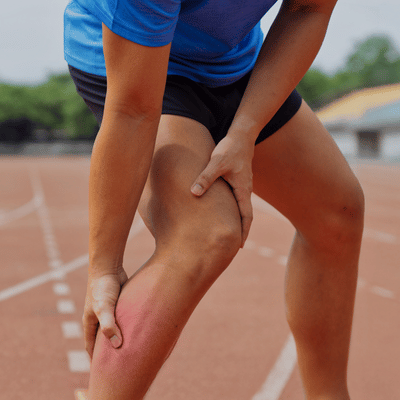
Some symptoms require immediate attention. A sports injury clinic or outpatient sports injury treatment center can evaluate these urgent issues. Here are the warning signs:
Severe Pain or Audible “Pop”
Intense pain that won’t ease with rest signals serious injury. An audible pop during injury often means a torn ligament. Mayo Clinic notes this is especially true for knee or ankle injuries.
Visible Deformity or Misalignment
If a bone or joint looks out of place, you need immediate care. Bent angles, unusual bumps, or misaligned limbs suggest fractures or dislocations.
Inability to Bear Weight or Move
Can’t put weight on your leg after injury? Mayo Clinic states this warrants immediate evaluation. The same goes for joints that give out when you try to use them.
Rapid Swelling and Bruising
Some swelling is normal after injury. But rapid swelling within minutes signals major problems. LifeBridge Health reports this often indicates sprains, muscle tears, or fractures.
Joint Instability or Numbness
Does the joint feel wobbly or lock up? A loose or buckling knee could mean a torn ligament. Any numbness or tingling is concerning. These symptoms might indicate nerve damage from swelling.
Head Injury Symptoms
Head trauma during sports deserves serious attention. Loss of consciousness, confusion, dizziness, or severe headaches point to concussion. For severe neurological symptoms, visit an ER first.
When Home Treatment Isn’t Enough
When Home Treatment Isn’t Enough
Pain or Swelling Beyond a Few Days
Recurring or Worsening Injuries
Limited Range of Motion or Stiffness
Weakness, Instability, or “Giving Way”
Pain Interfering with Daily Life
Slow or No Improvement Despite Rest
Not all injuries cause instant severe symptoms. Many athletes try the RICE method at home first. But how do you know when home care isn’t enough? These signs mean it’s time for a sports injury rehabilitation clinic visit:
Pain or Swelling Beyond a Few Days
Light injuries should improve after 48-72 hours of rest. Persistent pain or swelling after several days suggests more serious damage. Dynamic Sports Medicine notes that pain worsening after a few days is a red flag.
Recurring or Worsening Injuries
Do you keep hurting the same knee or ankle? Recurring injuries point to an underlying problem. Signature Orthopedics warns that repeat injuries often indicate biomechanical issues or incomplete healing. A sports injury clinic can find the root cause.
Limited Range of Motion or Stiffness
Normal strains gradually loosen up with gentle movement. Limited range of motion after several days needs attention. This could mean joint damage, tears, or severe inflammation.
Weakness, Instability, or “Giving Way”
Pay attention if joints feel weak during certain movements. Signature Orthopedics confirms that joint instability typically indicates ligament damage. Persistent weakness after injury might mean torn muscles or nerve involvement. These issues need targeted treatment like orthopedic sports injury physical therapy.
Pain Interfering with Daily Life
Sports injuries affect more than just sports. Does your knee pain make stairs difficult? Mayo Clinic advises seeing a doctor when joint pain disturbs sleep or prevents routine activities.
Slow or No Improvement Despite Rest
If you’ve been resting an injury but it’s not improving after a week, get it checked. Mount Elizabeth Hospital warns that stress fractures can progress into larger breaks. Early diagnosis at a sports injury rehabilitation clinic catches these issues before they worsen.
Why Early Evaluation Matters
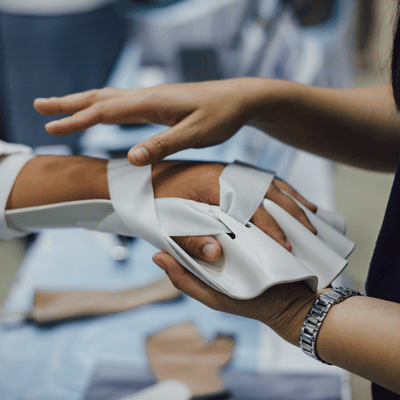
Getting prompt evaluation makes a huge difference in recovery. Here’s why seeing an outpatient sports injury treatment center early helps:
Accurate Diagnosis
Different injuries share similar symptoms but need different treatments. Only proper evaluation can tell a bruise from a bone crack. Signature Orthopedics emphasizes that accurate diagnosis ensures correct treatment from the start.
Preventing Long-Term Damage
Untreated sports injuries can lead to chronic pain, instability, or arthritis. Mount Elizabeth Hospital notes that simple sprained ankles without proper rehab lead to chronic instability. Early sports injury clinic visits ensure complete healing before resuming activity.
Specialized Rehabilitation
A dedicated sports injury clinic provides tailored rehab programs. Many clinics offer orthopedic sports injury physical therapy on site. Licensed physical therapists design exercise programs for your specific injury and sport.
Faster and Safer Return to Sport
Early evaluation and proper treatment help you return to sports faster and safer. Sports medicine specialists maximize recovery while minimizing downtime. You’ll return with confidence that the injury is fully resolved.
When should I go to an ER versus a sports injury clinic?
Go to the ER for severe trauma like obvious broken bones, dislocations, or loss of consciousness. A sports injury clinic handles most other acute sports injuries and can see you quickly.
How long should I wait before seeking professional help?
Don’t wait if you experience red flags like severe pain, deformity, or inability to bear weight. For less severe injuries, seek help if pain or swelling persists beyond 3-4 days.
What happens during a sports injury clinic evaluation?
The evaluation includes a detailed injury history, thorough physical exam, and range of motion tests. Imaging like X-rays or MRIs may be ordered if needed to confirm diagnosis.
Can physical therapy alone treat most sports injuries?
Many sports injuries respond well to physical therapy. However, some severe injuries like complete tears may require surgery followed by rehab.
How is an outpatient sports injury treatment center different from a hospital?
An outpatient sports injury treatment center provides expert care without hospital admission. You come for scheduled sessions and go home the same day, making it convenient for busy athletes.
What if my injury keeps coming back?
Recurring injuries indicate incomplete healing or biomechanical issues. A sports injury rehabilitation clinic can identify the root cause and create a treatment plan to prevent future injuries.
Get Back in the Game Stronger
Don’t ignore the warning signs your body sends. Early evaluation prevents minor setbacks from becoming long-term problems.
Ready to address your sports injury? Contact our outpatient sports injury treatment center in Texas today. Our team provides comprehensive evaluations and personalized treatment plans. Schedule your evaluation now and take the first step toward complete recovery.