Sports injuries happen to anyone who stays active. Whether you play sports on weekends or compete regularly, getting hurt is always a risk. When injuries occur, sports injury rehab helps you heal and get back to what you love. Almost any sports injury gets better with physical therapy. This guide covers seven common sports injuries and how sports rehab physical therapy can treat them effectively.
Table of Contents
Why Sports Injury Rehab Matters
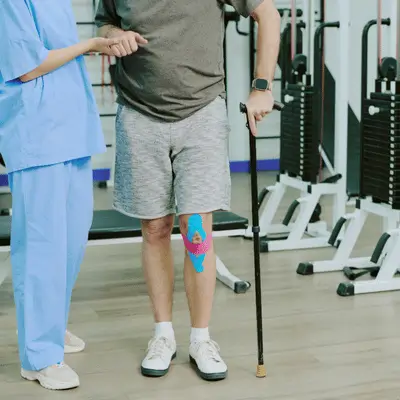
Sports injury rehab helps injured athletes regain strength, flexibility, and function. Physical therapists who specialize in orthopedic physical therapy lead this process. They focus on muscles, joints, and ligaments. At a professional sports injury clinic, therapists create custom exercise programs to restore your mobility and prevent future injuries.
After you rest following an injury, rehab becomes essential. You’ll work on restoring strength and range of motion under expert guidance. Treatment often includes targeted exercises, balance training, and stretching. The goal is to heal the injured tissue and fix any underlying issues like muscle imbalances. Proper sports injury rehab means the difference between a full recovery and ongoing problems.
7 Common Sports Injuries
Ankle Sprains
Ankle sprains rank among the most common sports injuries.
ACL Tears (Knee Ligament Injuries)
Tearing your ACL (anterior cruciate ligament) is a serious sports injury.
Runner’s Knee (Patellofemoral Pain Syndrome)
Runner’s knee refers to chronic pain under or around the kneecap.
Rotator Cuff Injuries (Shoulder)
Shoulder injuries are common in sports like baseball, tennis, or swimming that involve overhead motions.
Tennis Elbow (Lateral Epicondylitis)
Tennis elbow isn’t just for tennis players. It’s an overuse injury of the tendons on the outside of your elbow.
Achilles Tendon Injuries
The Achilles tendon connects your calf muscles to your heel bone.
Shin Splints (Medial Tibial Stress Syndrome)
Shin splints cause pain along the shinbone in your lower leg.
Ankle Sprains
Ankle sprains rank among the most common sports injuries. A sudden twist or roll can overstretch or tear the ligaments that support your ankle. This causes pain, swelling, and bruising.
How Physical Therapy Helps: After initial rest (RICE: rest, ice, compression, elevation), sports rehab physical therapy focuses on restoring ankle stability. Therapists guide you through exercises to improve range of motion and strengthen surrounding muscles. Balance exercises like standing on one leg are crucial for ankle sprains. By the end of rehab, you’ll regain confidence and be able to run and jump without pain.
ACL Tears (Knee Ligament Injuries)
Tearing your ACL (anterior cruciate ligament) is a serious sports injury. It often happens during sports with sudden stops or pivots like basketball or soccer. An ACL tear causes a pop in the knee, immediate swelling, and instability. Severe injuries often require surgery, but all ACL injuries need rehab.
How Physical Therapy Helps: Every ACL injury requires thorough sports injury rehab, whether or not you have surgery. Therapists first reduce swelling and pain, then restore knee range of motion and strength. Orthopedic physical therapy after surgery is vital for a successful outcome. ACL rehab often takes several months, but athletes can return as strong as before.
Runner’s Knee (Patellofemoral Pain Syndrome)
Runner’s knee refers to chronic pain under or around the kneecap. It develops from overuse or improper kneecap tracking. This leads to a dull, achy pain in the front of the knee during running, squatting, or climbing stairs. Most cases improve without surgery through activity changes and strengthening.
How Physical Therapy Helps: A physical therapist evaluates your hip and leg mechanics to identify pain causes. Often weakness in the quadriceps or hip muscles is the problem. Sports injury rehab for runner’s knee focuses on strengthening muscles that support proper kneecap movement. Studies show that with consistent therapy, athletes usually make a full recovery and return to pain-free activity.
Rotator Cuff Injuries (Shoulder)
Shoulder injuries are common in sports like baseball, tennis, or swimming that involve overhead motions. The rotator cuff is a group of muscles and tendons that stabilize your shoulder. Injuries can range from irritation to partial or full tears. Symptoms include shoulder pain (worse at night) and arm weakness.
How Physical Therapy Helps: For many rotator cuff problems, rest and physical therapy are all that’s needed. Your therapist will prescribe exercises to improve flexibility and strengthen the rotator cuff and shoulder blade muscles. Even if you need surgery, sports rehab physical therapy guides you through post-surgery recovery to ensure you regain full shoulder function.
Tennis Elbow (Lateral Epicondylitis)
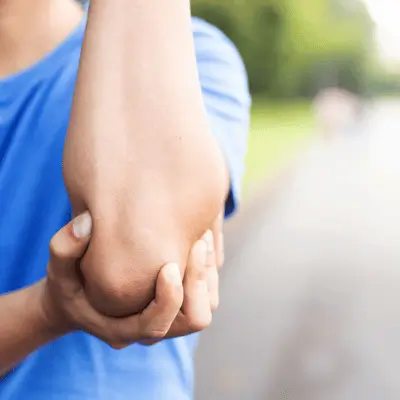
Tennis elbow isn’t just for tennis players. It’s an overuse injury of the tendons on the outside of your elbow. Repetitive wrist and arm motions cause it. The result is pain and tenderness on the outer elbow, especially when gripping objects.
How Physical Therapy Helps: Many cases improve with time and proper care. If rest and ice aren’t enough, physical therapy is the next step. Therapists assess how you use your arm and recommend modifications to reduce strain. Orthopedic physical therapy treatment focuses on exercises to stretch and strengthen forearm muscles. Most people regain pain-free elbow function with consistent sports injury rehab.
Achilles Tendon Injuries
The Achilles tendon connects your calf muscles to your heel bone. It’s crucial for running and jumping. Achilles injuries are either overuse tendinitis or acute tendon ruptures. They cause pain above the heel, stiffness in the morning, and weakness when pushing off.
How Physical Therapy Helps: Doctors usually recommend rest and physical therapy for Achilles tendinitis. A sports injury rehab program includes calf stretches and strengthening exercises like eccentric heel drops. If you had surgery for a rupture, therapy is essential to rebuild strength and range of motion. With guidance from a sports injury clinic, most athletes can return to running and jumping.
Shin Splints (Medial Tibial Stress Syndrome)
Shin splints cause pain along the shinbone in your lower leg. Repetitive impact stress causes this common overuse injury in runners and dancers. The constant pounding inflames muscles, tendons, and bone tissue around the tibia. This creates tender pain on the inner shin that worsens with exercise.
How Physical Therapy Helps: The primary treatment is rest and activity modification. Adding physical therapy helps you recover faster and prevents recurrence. A therapist strengthens your calf and shin muscles to better support your lower legs. They also address foot issues like tight calves or poor footwear. According to Cleveland Clinic, physical therapy strengthens your legs and reduces the chance of injury returning.
How long does sports injury rehab take?
Recovery time varies by injury type and severity. Minor sprains may take 2-4 weeks, while ACL tears can require 6-9 months of rehab.
Do I need to see a specialist for sports injuries?
Seeing a physical therapist at a sports injury clinic ensures you get expert care. They create personalized programs based on your specific injury and goals.
Can physical therapy prevent future sports injuries?
Yes, sports rehab physical therapy addresses muscle imbalances and poor mechanics that cause injuries. This reduces your risk of getting hurt again.
Is surgery always necessary for sports injuries?
No, many sports injuries heal well with conservative treatment. Orthopedic physical therapy alone can effectively treat most ankle sprains, tennis elbow, and runner’s knee.
When should I start physical therapy after an injury?
Start therapy after the initial rest and healing phase, typically within a few days to a week. Your doctor or therapist will recommend the best timing.
What should I expect at my first physical therapy appointment?
Your therapist will evaluate your injury, assess your movement and strength, and create a custom treatment plan. They’ll teach you exercises to begin your recovery.
Get Back to What You Love
Recovering from a sports injury takes time and the right approach. With modern sports injury rehab techniques and trained professionals, most athletes overcome these common injuries. If you’re dealing with any of these injuries, seek help from a dedicated sports injury clinic.
Ready to start your recovery? Contact our physical therapy team today to schedule an evaluation. We’ll create a personalized rehabilitation plan to get you back in the game safely and quickly.