Injuries don’t happen by luck. They accumulate as a result of weak muscles, inadequate mobility, and excessive physical stress. Orthopedic and sports physical therapy address these specific issues before they become problematic. Whether you’re a weekend runner or a serious athlete, sports rehab physical therapy will help you move better, train smarter, and stay healthier for longer. The National Safety Council estimates that sports and leisure injuries will account for 4.4 million emergency department visits in the United States in 2024. This is an increase of roughly 17% from 2020. The correct orthopedic rehabilitation strategy might help you avoid becoming a statistic.
Table of Contents
Sports Injury Trends You Should Know
Sports injuries are on the rise. Knowing who’s most at risk makes the case for early prevention.
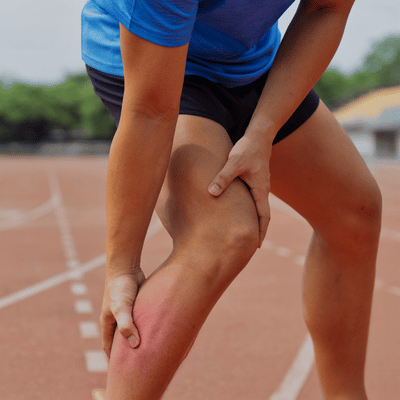
- Young adults ages 15 to 24 have the highest injury rates.
- Exercise and gym activity, cycling, and basketball are the top causes.
- Sprains and strains make up about 25 to 30% of all sports injuries (QC Kinetix, 2025).
- Football, basketball, and soccer account for roughly 45% of youth concussion ER visits (CDC, 2026).
- Athletes who skip formal rehab face a 20 to 30% re-injury risk within the first year after ACL surgery.
These numbers point to a clear need for structured orthopedic rehab, not just rest and hope.
How Orthopedic and Sports Physical Therapy Reduces Injury Risk
Most injuries share common root causes: weak muscles, stiff joints, poor balance, or faulty movement patterns. Orthopedic and sports physical therapy addresses all of these directly.
Here’s how it works:
- Movement screening finds muscle imbalances, poor control, or limited mobility before they cause injury.
- Progressive strengthening builds the muscle power and joint stability your body needs to handle physical stress.
- Neuromuscular training retrains your reflexes and movement patterns, protecting your knees, ankles, and hips.
- Manual therapy restores joint range of motion and relieves pain so you can train without restrictions.
Research backs this up. A meta-analysis published in the British Journal of Sports Medicine (Emery et al.) discovered that neuromuscular and balance training reduced lower-extremity injury risk by approximately 36%. Hands-on therapy is always combined with exercise to ensure that the gains last beyond the clinic.
Evidence-Based Prevention Strategies
Prevention Strategies
Neuromuscular and Balance Training
This is considered the gold standard. Lower-limb injuries are regularly reduced by programs that incorporate plyometrics, agility drills, and stability exercises.
Load Management
Overuse injuries happen when training volume jumps too fast.
Return-to-Play Protocols
Going back too soon is one of the biggest causes of re-injury.
Manual Therapy and Flexibility Work
Tight joints limit movement and force other areas to compensate.
Sports injury rehab is not one-size-fits-all. But the most effective strategies share a few core elements.
Neuromuscular and Balance Training
This is considered the gold standard. Lower-limb injuries are regularly reduced by programs that incorporate plyometrics, agility drills, and stability exercises. A 2025 systematic review published in the International Journal of Sports Science and Coaching found that the FIFA 11+ warm-up program reduced acute lower back injuries among soccer players by 63%. A proper sport-specific warm-up is one of the most basic injury prevention measures accessible.
Load Management
Overuse injuries happen when training volume jumps too fast. Tracking the ratio of recent training to long-term training helps spot danger zones early. Your sports rehab physical therapy team will help you build volume gradually so your body adapts without breaking down.
Return-to-Play Protocols
Going back too soon is one of the biggest causes of re-injury. Return decisions should be based on objective testing, not just how many weeks have passed. Key criteria include:
- Single-leg hop symmetry of 90% or better
- Strength within 90% of the uninjured side
- Quality movement under sport-specific demands
A 2026 meta-review found that athletes who skipped structured ACL prevention programs had roughly twice the injury risk. That’s a strong argument for doing it right the first time.
Manual Therapy and Flexibility Work
Tight joints limit movement and force other areas to compensate. Manual therapy clears those restrictions so you can train with a full range of motion. This is especially important for ankle mobility, which plays a key role in safe landing mechanics.
Our Approach at Precision Sports Physical Therapy
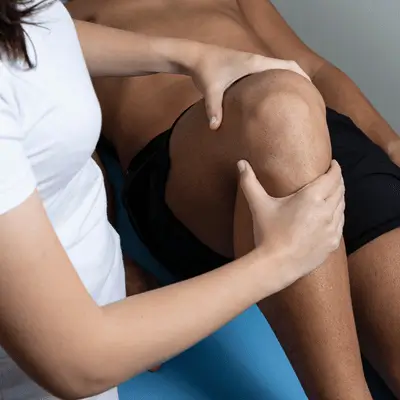
At Precision Sports Physical Therapy, we combine movement science with hands-on care to build injury-resistant athletes. Our orthopedic and sports physical therapy programs serve active adults across Forney, Mesquite, and Sunnyvale, TX.
Our process includes:
- A thorough movement screen to find deficits that lead to injury
- A personalized orthopedic rehab plan based on your sport and goals
- Progressive exercises you can continue at home
- Clear return-to-play criteria so you go back to sport with confidence
We don’t just treat your injury. We change how you move so it doesn’t come back.
Ready to reduce your injury risk? Book a movement screen at Precision Sports Physical Therapy today and take the first step toward staying healthy and performing at your best.
What is orthopedic and sports physical therapy?
It is a specialized form of PT focused on injuries affecting the muscles, joints, and bones in active people. It combines movement correction, strength training, and hands-on care to help you recover and prevent future problems.
How is sports rehab physical therapy different from regular PT?
Sports rehab physical therapy is built around the specific demands of athletic activity. It uses sport-specific exercises, load management, and return-to-play testing to get you back to full performance safely.
Can orthopedic rehab prevent injuries before they happen?
Yes. Orthopedic rehab includes screening for movement problems and correcting them before they cause an injury. Research shows structured programs can cut lower-extremity injury risk by up to 36% or more.
When should I see a physical therapist for sports injury rehab?
See a PT as soon as you notice pain, reduced mobility, or repeated injuries. Early sports injury rehab often leads to faster recovery and a lower long-term injury risk.
How long does a sports rehab physical therapy program take?
It depends on your injury, sport, and goals. Some patients see major improvements in 4 to 6 weeks. Others benefit from longer programs of 3 to 6 months, especially after surgery.
What should I expect during my first visit to Precision Sports?
Your first visit includes a full movement screen and evaluation. Your therapist will identify any deficits, walk you through your personalized orthopedic rehab plan, and get you started on your first exercises.
Injury prevention is not guesswork. At Precision Sports Physical Therapy, every program is built on proven methods, clinical experience, and sport-specific expertise. Their team combines advanced movement analysis, hands-on care, and performance-based rehab to help athletes recover fully and stay injury-free.
Stop training around pain and start fixing the root cause. Book a performance movement screen with Precision Sports Physical Therapy and get a clear, expert plan built for your body, your sport, and your goals.