What you do after surgery plays a big role in how well you recover. Orthopedic rehab helps your body heal properly so you can get back to normal daily activities sooner. Whether you had joint replacement, ACL repair, or rotator cuff surgery, a good rehab program makes a huge difference. Studies show patients who do rehab recover quicker and have fewer problems. Let’s explore how orthopedic rehab speeds up your healing and gets you back on your feet.
Table of Contents
What Is Orthopedic Rehab?
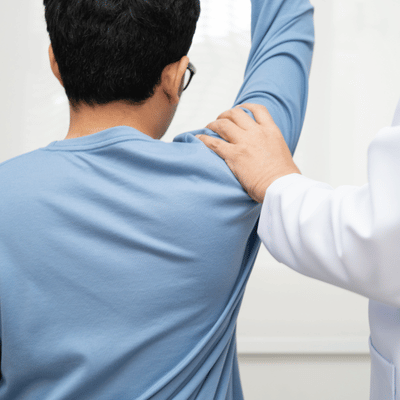
Orthopedic rehab is physical therapy for your bones, joints, and muscles. A licensed therapist creates a custom plan of exercises and stretches. The goal is simple: restore your movement, build strength, and reduce pain.
After surgery, your body needs guidance to heal properly. Orthopedic and sports physical therapy combines hands-on treatment with targeted exercises. Therapists teach you proper movement patterns to prevent future injury.
For example, after knee replacement, you’ll start with gentle bending exercises. This prevents stiffness and scar tissue buildup. Your therapist might use ice, heat, or electrical stimulation to manage swelling. This approach does more than heal your surgical site. It retrains your body to move correctly.
Key Benefits of Post-Surgical Rehab
Orthopedic rehabilitation has practical benefits that hasten healing:
Increased Strength and Mobility More Quickly
You become stiff and weak after surgery. Focused workouts quickly resolve this. Knee patients can regain flexibility with physical therapy in a matter of weeks rather than months. You’ll regain your strength and start moving sooner.
Improved Management of Pain
Recovery is slowed by pain and swelling. Both manual therapy and movement therapy are used in orthopedic physical therapy. Reduced swelling is a result of improved blood flow. As a result, many patients require fewer painkillers.
Avoids Issues
Oversleeping leads to problems. There may be blood clots, muscle atrophy, and increased rigidity. These issues can be avoided by continuing therapy. Your lungs and blood flow are maintained by movement. This reduces the likelihood of major issues.
Improved Results
Research proves rehab works. A 2025 study from Medicine (Baltimore) followed 836 surgery patients. Those who did enhanced rehab had shorter hospital stays and faster healing. They also had fewer complications and felt more satisfied with the results.
Quicker Return to Activities
Want to play sports again? Sports injury rehab gets you there faster. JAG Physical Therapy reports that ACL patients who did rehab returned to sport in 34 weeks. Those who skipped therapy took 43 weeks. That’s over two months’ difference.
Early Movement: The Modern Approach
In the past, doctors advised weeks of rest. No longer. The new strategy is to move early and heal more quickly.
The six-week bed rest following surgery is no longer appropriate, according to Rothman Orthopaedics. Early movement is now a top priority for surgeons worldwide. This is supported by research.
The Significance of Timing
Muscle atrophy and stiffness can be prevented with early therapy. A 2025 study that was published in the Journal of Orthopaedic Surgery & Research looked at patients who had ACL surgery. Those who started sports and orthopedic physical therapy within two weeks had superior outcomes. Their knee strength, range of motion, and stability all significantly improved.
Early rehabilitation teaches your body how to move correctly while you recover. It is more difficult to return to normal function after waiting.
Advanced Techniques
Modern sports injury rehabilitation employs cutting-edge techniques:
Blood Flow Restriction (BFR): During mild exercise, blood flow is partially restricted by a special cuff. Even if you are unable to lift large weights, this helps you gain muscle.
Electrical Stimulation (NMES): Your muscles are contracted by mild electrical pulses. When a joint needs to remain motionless, this keeps it strong.
Manual therapy: Practical methods enhance joint mobility and lessen stiffness.
Tailored Plans
Each patient is unique. Based on your progress, your therapist modifies your program. They adjust exercises as necessary and push you when you’re ready. You will recover at the ideal rate thanks to this personalized care.
Athletes rely on personalized plans to return strong. The same approach helps regular patients, too. Proper rehab can even reduce future problems like arthritis, according to St. Mary’s Health Care System.
Getting the Most Out of Your Recovery
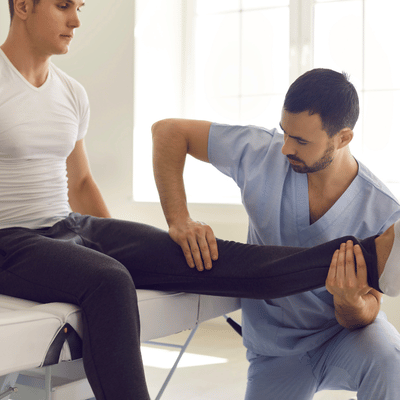
Success requires your active participation. Here’s how to maximize your orthopedic rehab:
Follow Your Home Program
Every day, perform the exercises that have been prescribed. Use appropriate forms. You are given particular techniques by your therapist for a purpose. Healing is accelerated by consistency.
Share Your Objectives
Share your priorities with your therapist. Do you want to climb stairs pain-free? Go back to playing tennis? Your orthopedic physical therapy will be customized to meet these objectives. Talk about your level of pain as well. To help you stay on course, your therapist can modify your treatment.
Remain persistent and patient
It takes time to recover. There will be good days and slow days for you. That’s typical. Continue with the program. Every little improvement counts. Walking farther or bending your knee a little more are victories to be proud of.
How soon after surgery should I start orthopedic rehab?
Most patients begin rehab within days of surgery. Your surgeon and therapist will determine the exact timing. Early movement leads to better outcomes and faster healing.
How long does post-surgical rehab typically last?
Individual needs and the type of surgery determine this. Programs typically last six to twelve weeks. Certain complicated cases might take more time. Your therapist modifies the timeline based on progress.
Is orthopedic rehabilitation going to be painful?
Therapy shouldn’t cause excruciating pain, but some discomfort is normal. Your therapist will work within your comfort zone. As you become stronger and more mobile, pain usually goes away.
Can I complete my rehabilitation at home rather than in a clinic?
Most likely, you’ll do both. Clinic sessions offer professional advice and practical care. Between visits, progress is maintained through at-home exercises. The best results are obtained when both are combined.
What happens if I skip rehab after surgery?
Skipping rehab increases risks. You may develop stiffness, weakness, or complications. Recovery takes longer, and surgical outcomes may not be as good. Rehab maximizes your investment in surgery.
Does insurance cover orthopedic physical therapy?
Most insurance plans cover post-surgical therapy. Check your coverage and any approval rules. Our clinic can verify your benefits before you begin.
Orthopedic rehab is key for a fast, safe recovery after surgery. It helps you move better, control pain, and avoid setbacks. Today’s care starts early and fits your exact surgery and goals.
Ready to rebuild strength and confidence after surgery? Book your orthopedic rehab evaluation with Precision Sports Physical Therapy. You’ll work with licensed physical therapists who focus on orthopedic rehabilitation and post-surgical recovery. We use a clear plan that matches your surgeon’s guidelines and your goals. You will get hands-on care, guided strengthening, and a simple home program. Call or book online now to lock in your first visit, and start moving better week by week.