Recovering from an ACL tear takes time, patience, and the right support team. Working with a physical therapist Dallas athletes trust is key to a safe return to sport. An ACL injury can sideline you for months. But a structured recovery plan with clear timelines and rehab milestones helps you come back stronger. This guide outlines the ACL recovery process and shows how expert care can speed healing and reduce re-injury risk.
Table of Contents
Understanding ACL Injuries
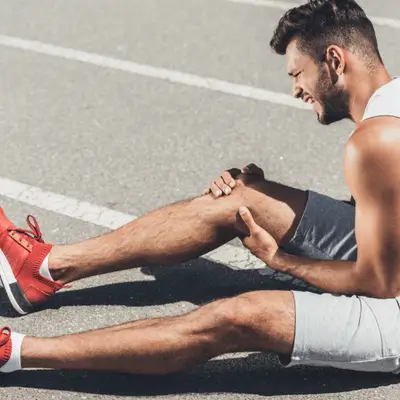
An ACL tear is a serious knee injury common in sports like football, basketball, and soccer. Most athletes need surgery (ACL reconstruction) to return to high-level activity. But surgery is just the start.
Recovery takes about six to nine months according to Cleveland Clinic. Some athletes need even longer before they’re cleared to compete. Rushing back too soon is dangerous. Coming back before the ACL fully heals greatly increases re-injury risk.
One study found that 18% of young athletes who return to high-risk sports suffer a second ACL injury. This shows why complete healing matters before resuming competition. A well-planned program with a skilled physical therapist in Dallas protects your future athletic career.
ACL Recovery Timeline & Key Milestones
Here’s a typical timeline after ACL reconstruction:
Immediate Post-Op (Weeks 0-2)
Focus: Protect the repaired ligament and control swelling.
Early Rehabilitation (Weeks 2-6)
Focus: Improve knee range of motion and begin light strengthening.
Advanced Training (3-6 Months)
Focus: Build functional strength for sports demands.
Return-to-Sport Preparation (6-9 Months)
Focus: Pass formal testing to confirm readiness.
Return to Sport & Beyond (9+ Months)
Once you hit nine months and meet all criteria, you can carefully return to your sport.
ACL rehab follows several phases. You must hit certain goals in one phase before moving to the next. Here’s a typical timeline after ACL reconstruction:
Immediate Post-Op (Weeks 0-2)
Focus: Protect the repaired ligament and control swelling.
- Use crutches and a brace in the first days
- Start gentle range-of-motion exercises like heel slides
- Activate quadriceps muscles under therapist guidance
- Goal: Straighten knee fully and reduce swelling
Early Rehabilitation (Weeks 2-6)
Focus: Improve knee range of motion and begin light strengthening.
- Gradually increase weight-bearing
- Transition off crutches as your gait normalizes
- Add exercises like straight-leg raises and mini squats
- Use stationary bike for gentle mobility work
Your sports injury physical therapy Dallas program adjusts carefully to your progress.
Strength & Balance Phase (Weeks 6-12)
Focus: Restore muscle strength and improve balance.
Key exercises include:
- Leg presses and step-ups
- Hip strengthening drills
- Core stability work
- Balance exercises for proprioception
You may start light jogging around the 3-month mark with therapist and surgeon approval.
Advanced Training (3-6 Months)
Focus: Build functional strength for sports demands.
- Progress to jumping and hopping exercises
- Add lateral movements and agility drills
- Practice controlled squats and lunges
- Begin non-contact sport drills
- Wear protective brace during high-impact work
Your sports physical therapist in Dallas monitors how your knee responds to increased intensity.
Return-to-Sport Preparation (6-9 Months)
Focus: Pass formal testing to confirm readiness.
Around 6 to 8 months post-surgery, you’ll undergo return-to-sport assessments. These include:
- Strength tests: Repaired leg must reach 90% of healthy leg strength
- Hop drills to measure symmetry
- Agility runs to test stability
Research from the American Orthopaedic Society for Sports Medicine shows returning before nine months dramatically raises re-injury risk. Each extra month of rehab up to 9 months can cut re-injury risk by about 50%.
Return to Sport & Beyond (9+ Months)
Once you hit nine months and meet all criteria, you can carefully return to your sport. Start with:
- Full-intensity training sessions
- Controlled scrimmages
- Shorter playing periods initially
- Ongoing maintenance exercises
Continue strengthening and neuromuscular training to reduce future injury risk. Many athletes work with therapists for a year or more post-surgery.
Why Choose a Physical Therapist in Dallas for Your ACL Recovery
Professional guidance ensures you do the right exercises at the right time. Attempting to rehab without supervision carries serious risks. Patients who self-manage often end up with incomplete recovery or re-injury according to The Bone & Joint Center.
At an athlete rehabilitation clinic Dallas patients trust, you get:
Personalized Programs. Your therapist creates a custom exercise plan based on your surgery, sport, and individual needs. A soccer player needs different focus than a skier.
Guided Progression. Therapists walk you through each phase safely. Regular sessions (often 2-3 times per week initially) keep you on track. They adjust your program if you struggle with movements or experience pain.
Pain Management. Therapists use manual therapy and modalities like ice or electrical stimulation to manage discomfort. This helps you do exercises more comfortably while your knee heals.
Confidence Building. A great therapist rebuilds your trust in your knee. You’ll gradually perform real-world tasks like cutting drills and landing practice in a controlled setting. Validated tests track your progress objectively.
Safety Gatekeeper. Your therapist only advances you when you’re ready. Before returning to full sport, you must demonstrate proper strength, stability, and technique. This protects you from setbacks.
Advanced Rehab Techniques
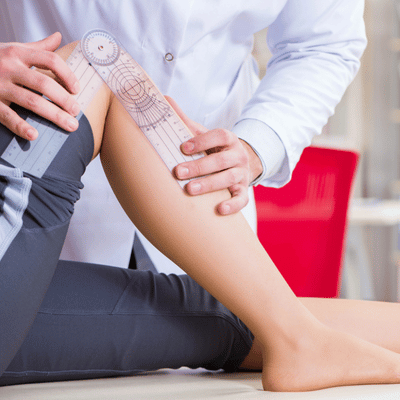
Modern sports injury physical therapy Dallas clinics use innovative methods to help athletes recover faster and safer.
Blood Flow Restriction Training (BFRT) A cuff partially restricts blood flow while you do light exercises. This triggers muscle growth similar to heavy lifting but with lighter loads. Research published in the Journal of Clinical Medicine shows BFRT helps maintain muscle mass and improves recovery outcomes after ACL reconstruction.
Other Advanced Tools:
- Anti-gravity treadmills to resume running with less knee weight
- Motion analysis systems for movement feedback
- Neuromuscular electrical stimulation to activate weak muscles
These tools combined with expert guidance give you the best chance for full recovery.
How long does ACL recovery take?
Most people need six to nine months to recover from ACL reconstruction. Competitive athletes often need longer before they’re fully cleared for sport.
Can I return to sports after ACL surgery?
Yes, most athletes return to their sport with proper rehab. But you must complete all phases and pass strength and function tests before resuming competition.
What happens if I rush my ACL recovery?
Returning too soon greatly increases your re-injury risk. Studies show athletes who return before nine months have up to seven times higher risk of a second ACL tear.
Do I need a brace after ACL surgery?
Most patients use a brace immediately after surgery. Your surgeon and physical therapist Dallas team will decide when you can stop wearing it based on your progress.
How often should I do physical therapy for ACL recovery?
Early on, you’ll likely attend sessions 2-3 times per week. This decreases as you progress, but you’ll continue home exercises daily throughout recovery.
What’s the most important factor in ACL recovery success?
Following your rehab program consistently is key. Your sports physical therapist Dallas experts provide the roadmap, but you must commit to the exercises and timelines.
Get Back to Your Best with Expert ACL Rehab
An ACL injury is a serious setback. But with a structured recovery plan and professional support, you can make a successful comeback. The key is working with an experienced athlete rehabilitation clinic Dallas athletes rely on.
At Precision Sports Physical Therapy in Dallas, we guide you step-by-step from surgery day until you’re back to 100%. Our team creates personalized ACL recovery plans that safely restore your strength, stability, and confidence.
Ready to start your ACL recovery journey? Contact Precision Sports Physical Therapy today to schedule your evaluation and take the first step toward getting back in the game.